(To see other currencies, click on price)
MORE ABOUT THIS BOOK
Main description:
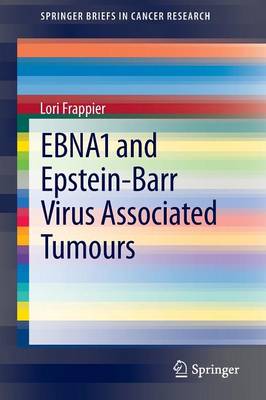
This SpringerBrief is comprehensive account of the functions and effects of the Epstein-Barr virus (EBV) EBNA1 protein that relate to EBV-associated cancers and evidence for EBNA1 contributions to these cancers. EBNA1 was the first EBV protein detected and the most critical for EBV latent infection. EBNA1 fulfills multiple functions at EBV genomes which have been described in many (sometimes confusing) reports over the last 28 years. While these were initially thought to be the only roles of EBNA1, many reports in recent years have shown that EBNA1 also directly affects cellular processes in ways that would be expected to contribute to oncogenesis. However, the degree to which EBNA1 promotes cell survival and oncogenesis in various types of human tumours is not entirely clear and a matter of debate. This book offers a current synopsis of EBNA1 functions in EBV latency, including functions in DNA replication, mitotic segregation and transcription. Mechanisms of these EBNA1 functions is also discussed as well as implications for tumourigenesis. In addition, the cellular effects of EBNA1 will be reviewed, including how EBNA1 manipulates specific cellular proteins and relationships to EBV-associated lymphomas and carcinomas.
Contents:
.-Introduction.
.- Roles of EBNA1 at EBV Episomes.
.- EBNA1-DNA Interactions.
.- EBNA1 Contributions to EBV-associated Tumours.
.- Cellular Effects of EBNA1.
.- Conclusion .
PRODUCT DETAILS
Publisher: Springer (Springer-Verlag New York Inc.)
Publication date: April, 2013
Pages: 77
Weight: 949g
Availability: Available
Subcategories: Microbiology, Oncology
From the same series