
(To see other currencies, click on price)
MORE ABOUT THIS BOOK
Main description:
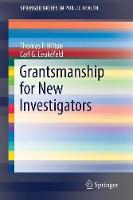
This compact resource analyzes and demystifies the processes of applying for, competing for, and getting funding for research. Neither a cookbook nor a template, it encourages readers to apply the critical thinking and attention to detail they use in their investigations to the pursuit of the grant. Chapters delve into choosing among funding options, project planning and writing, filling out the materials in the application packet, and troubleshooting for problems at various steps of the journey. Along the way, the authors also explore common myths of grantsmanship and alert readers to hidden pitfalls that can get an otherwise good submission rejected.
Among the core skill areas covered:
* Using strategic thinking throughout the application process
* Understanding the major grant mechanisms
* Navigating the grant timeline, including the peer review and the vetting process
* Writing the effective project description
* Following up if the project is not funded or funding is deferred
* Building a career grant by grant
Brimming with expert knowledge, Grantsmanship for New Investigators ably balances motivation with realism. The authors' deep understanding and experience of how funding agencies arrive at judgments will inspire readers to present their research in the most convincing manner.
Contents:
1. Exploring Funding OptionsExplains the value of applying for grants such as academic recognition and career success - even a springboard to entrepreneurial ventures. The chapter addresses competition, sources of funding, the value of contracts vs. grants.
2. Pursuing Federal SupportStarts by discussing 7 myths commonly associated with grantsmanship such as the folly of ingratiating or chasing hot topics, and offers advice on building a successful career using grants.
3. Grant MechanismsStarting with research project grants, the chapter proceeds to explain the purpose of major grant mechanisms while showing how training, career development, planning and conference grants, and even small business grants contribute to preparing for almost any size and scope of research project.
4. The Application ProcessThe chapter takes readers from initial idea, through project planning, developing a budget (including how to gauge if your costs are likely to be viewed to be too high or low, and how that affects review), and finishes with a discussion of the best strategies for communicating your project and submitting it for review.
5. Application ContentThe chapter walks through the basic application elements using the NIH R01 format as a guide. The authors offer insights into what to include and what to exclude - often confusing to new applicants. The authors also underscore the value of letters of support, resource sharing to reflect outside support.
6. Application ReviewFollows the flow of a typical NIH application from arrival at the funding institution, assignment to review and an administrative official, peer review, scoring (and questions about score meaning,) and touches on other federal agency review processes.
7. Funding Institution VettingTries to unlock the mystery of how final funding decisions are arrived at and the role various offices play in deciding funding. The authors end with a discussion of re-applying, progress reporting, and renewal applications that take readers back to the idea stage and submitting a new follow-on project.
PRODUCT DETAILS
Publisher: Springer (Springer Nature Switzerland AG)
Publication date: November, 2018
Pages: 116
Weight: 454g
Availability: Available
Subcategories: General Issues, Public Health