
(To see other currencies, click on price)
MORE ABOUT THIS BOOK
Main description:
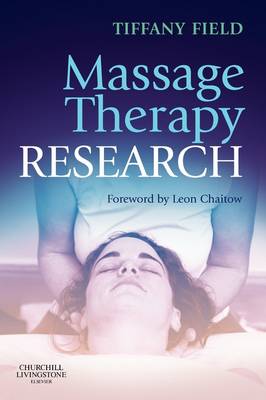
This book examines the research base of touch or massage therapy, and describes the practical application of these results in practice. Written by the Director of the world-renowned Touch Research Institutes in the USA, each chapter gives a clear and authoritative review of what is reliably known about the effects of touch in a variety of clinical conditions.
Provides a thorough yet concise review of recent research related to the importance of touch.
Offers practical guidance to healthcare professionals whose work involves physical contact with patients.
. Becomes a new book as new studies will be incorporated.
. Research techniques, not previously included.
Contents:
1. Massage Therapy Research Methods
2. Reducing Prematurity
Study 1 Pregnant women benefit from massage therapy
Study 2 Massage therapy effects on depressed pregnant women
Study 3 Fetal activity following stimulation of the mother's abdomen, feet and hands
3. Enhancing Growth and Development
Study 1 Stable preterm infants gain more weight and sleep less after five days of massage therapy
Study 2 Vagal activity, gastric motility and weight gain in massaged preterm neonates
Study 3 Massage therapy by parents improves early growth and development
Study 4 Sleep problems in infants decrease following massage therapy
4. Increasing Attentiveness
Study 1 Massage enhances congnitive performance in normal infants
Study 2 Preschooler's cognitive performance improves following massage
Study 3 Autism symptoms decrease following massage therapy
Study 4 Massage therapy improves mood and behaviour of students with attention-deficit/hyperactivity disorder
Study 5 Massage therapy of moderate and light pressure and vibrator effects on EEG and heart rate
Study 6 Aromatherapy positively affects mood, EEG patterns of alertness and math computations
5. Decreasing Depression and Aggression
Study 1 EEG during lavender and rosemary exposure in infants of depressed and non-depressed mothers
Study 2 Massage and music therapies attenuate frontal EEG asymmetry in depressed adolescents
Study 3 Aggressive adolescents benefit from massage therapy
6. Improving Neuromuscular Function
Study 1 Massage therapy and relaxation effects on university dance students
Study 2 Spinal cord patients benefit from massage therapy
Study 3 Cerebral palsy in children decreased after massage therapy
Study 4 Children with Down Syndrome improved in motor function and muscle tone following massage therapy
Study 5 Parkinson's symptoms are reduced by massage therapy
7. Movement Studies
Study 1 Creative movement therapy benefits children with autism
Study 2 Attention deficit hyperactivity disorder: benefits from Tai Chi
Study 3 Movement and massage therapy reduce fibromyalgia pain
Study 4 Senior citizens benefit from movement therapy
8. Pain Reduction
Study 1 Children's distress during burn treatment is reduced by massage therapy
Study 2 Lower back pain is reduced and range of motion increased after massage therapy
Study 3 Fibromyalgia pain and substance P decrease and sleep improves after massage therapy
Study 4 Carpal tunnel syndrome symptoms are lessened following massage therapy
9. Enhancing Immune Function
Study 1 HIV adolescents show improved immune function following massage therapy
Study 2 Leukaemia immune changes following massage therapy
Study 3 Breast cancer patients have improved immune and neoroendocrine functions following massage therapy
Study 4 Natural killer cells and lymphocytes are increased in women with breast cancer following massage therapy
Appendix I: Sleep States and Brazelton Neonatal Behavior Assessment Scale
Appendix II: Massage Therapy Abstracts
Index
PRODUCT DETAILS
Publisher: Elsevier (Churchill Livingstone)
Publication date: May, 2006
Pages: 272
Weight: 500g
Availability: Contact supplier
Subcategories: Complementary Medicine, Physiotherapy