
(To see other currencies, click on price)
MORE ABOUT THIS BOOK
Main description:
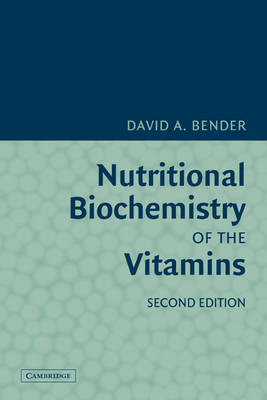
The vitamins are a chemically disparate group of compounds whose only common feature is that they are dietary essentials that are required in small amounts for the normal functioning of the body and maintenance of metabolic integrity. Metabolically they have diverse function, as coenzymes, hormones, antioxidants, mediators of cell signaling and regulators of cell and tissue growth and differentiation. This book explores the known biochemical functions of the vitamins, the extent to which we can explain the effects of deficiency or excess and the scientific basis for reference intakes for the prevention of deficiency and promotion of optimum health and well-being. It also highlights areas where our knowledge is lacking and further research is required. It provides a compact and authoritative reference volume of value to students and specialists alike in the field of nutritional biochemistry, and indeed all who are concerned with vitamin nutrition, deficiency and metabolism.
Contents:
1. The vitamins; 2. Vitamin A: Retinoids and Carotenoids; 3. Vitamin D; 4. Vitamin E: Tocopherols and Tocotrienols; 5. Vitamin K; 6. Vitamin B1: Thiamin; 7. Vitamin B2: Riboflavin; 8. Niacin; 9. Vitamin B6; 10. Folate and other pterins and vitamin B12; 11. Biotin (vitamin H); 12. Pantothenic acid; 13. Vitamin C (ascorbic acid); 14. Marginal compounds and phytonutrients.
PRODUCT DETAILS
Publisher: Cambridge University Press
Publication date: October, 2009
Pages: 516
Dimensions: 152.00 x 229.00 x 29.00
Weight: 750g
Availability: Available
Subcategories: Biochemistry, Nutrition