(To see other currencies, click on price)
MORE ABOUT THIS BOOK
Main description:
During the past twenty years there has been a dramatic increase in obesity in the United States. An estimated 30% of adults in the US are obese; in 1980, only 15% were.
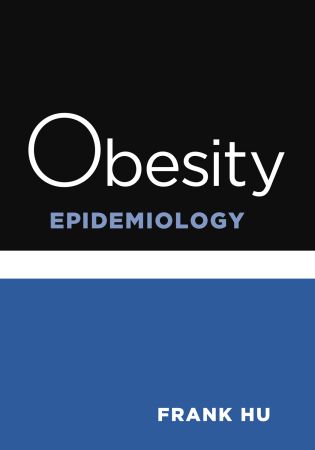
This book offers practical information about the methodology of epidemiologic studies of obesity. The book is structured in four main sections. The first section considers issues surrounding the definition of obesity, measurement techniques, and the designs of epidemiologic studies. The second section addresses the consequences of obesity, looking at epidemiologic studies that focus on cardiovascular disease, diabetes, and cancer. The third section looks at determinants of obesity, reviewing a
wide range of risk factors for obesity including diet, physical activity and sedentary behaviours, sleep disorders, psychosocial factors, physical environment, biochemical and genetic predictors, and intrauterine exposures. In the final section, the author discusses the analytical issues and
challenges for epidemiologic studies of obesity.
Contents:
PART I: STUDY DESIGNS AND MEASUREMENTS; PART II: EPIDEMIOLOGIC STUDIES OF CONSEQUENCES OF OBESITY; PART III: EPIDEMIOLOGIC STUDIES OF DETERMINANTS OF OBESITY
PRODUCT DETAILS
Publisher: Oxford University Press (Oxford University Press Inc)
Publication date: March, 2008
Pages: 512
Dimensions: 185.00 x 263.00 x 29.00
Weight: 1087g
Availability: Available
Subcategories: Epidemiology, Nutrition
Publisher recommends