
(To see other currencies, click on price)
MORE ABOUT THIS BOOK
Main description:
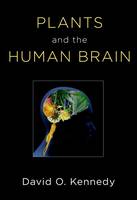
We're all familiar with the idea that plant-derived chemicals can have an impact on the functioning of the human brain. Most of us reach for a cup of coffee or tea in the morning, many of us occasionally eat some chocolate, some smoke a cigarette or take an herbal supplement, and some people use illicit drugs. We know a great deal about the mechanisms by which the psychoactive components of these various products have their effects on human brain function, but the
question of why they have these effects has been almost totally ignored. This book sets out to describe not only how, in terms of pharmacology or psychopharmacology, but more importantly why plant- and fungus-derived chemicals have their effects on the human brain. The answer to this last question
resides, in part, with the terrestrial world's two dominant life forms, the plants and the insects, and the many ecological roles the 'secondary metabolite' plant chemicals are trying to play; for instance, defending the plant against insect herbivores whilst attracting insect pollinators. The answer also resides in the intersecting genetic heritage of mammals, plants, and insects and the surprising biological similarities between the three taxa. In particular it revolves around the close
correspondence between the brains of insects and humans, and the intercellular signaling pathways shared by plants and humans. Plants and the Human Brain describes and discusses both how and why phytochemicals affect brain function with respect to the three main groups of secondary metabolites: the
alkaloids, which provide us with caffeine, a host of poisons, a handful of hallucinogens, and most drugs of abuse (e.g. morphine, cocaine, DMT, LSD, and nicotine); the phenolics, including polyphenols, which constitute a significant and beneficial part of our natural diet; and the terpenes, a group of multifunctional compounds which provide us with the active components of cannabis and a multitude of herbal extracts such as ginseng, ginkgo and valerian.
Contents:
Chapter 1: From shamans to starbucks ; Chapter 2: Secondary metabolites and the life of plants ; Chapter 3: More alike than we are unalike - Why do plant chemicals affect the human brain? ; Chapter 4: Alkaloids and the lives of plants and humans ; Chapter 5: The Rewarding Or Addictive Drugs ; Chapter 6: The Hallucinogens ; Chapter 7: The Deliriants - The nightshade (Solanaceae) family ; Chapter 8: Phenolics and the Lives of Plants and Animals ; Chapter 9: Phenolics and the human brain ; Chapter 10: Terpenes and the Lives of Plants and Animals ; Chapter 11: The Lamiaceae sub-tribe Salviinae - the Salvia, Rosmarinus and Melissa genera ; Chapter 12: Cannabis and the cannabinoids ; Chapter 13: Some Miscellaneous Terpenes ; Chapter 14: In conclusion, comparing and contrasting the alkaloids, phenolics and terpenes
PRODUCT DETAILS
Publisher: Oxford University Press (Oxford University Press Inc)
Publication date: February, 2014
Pages: 368
Dimensions: 156.00 x 242.00 x 25.00
Weight: 690g
Availability: Available
Subcategories: Biochemistry, Neuroscience