
(To see other currencies, click on price)
MORE ABOUT THIS BOOK
Main description:
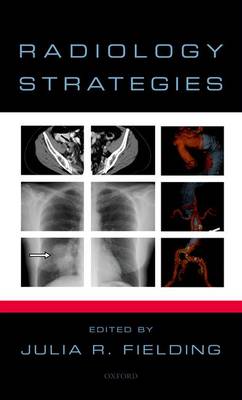
As physicians become more dependent upon radiologic tests for information, it is imperative that they have correct information on how and when to order them. Radiology Strategies is designed to help the medical student and non-radiology practitioner learn to make effective use of radiologic tests based on a patient's signs and symptoms.
Signs and symptoms for the most commonly encountered disease processes are covered in clinical vignettes that systematically discuss: case history; background; test rationale; test of choice; radiologic images demonstrating the findings that make the diagnosis; and evidence-based references. Introductory chapters cover radiation safety; use of contrast agents; how a radiologic test can be chosen effectively based on specificity, accuracy, and pre-test likelihood of disease; and general
guidelines on when and why to choose a particular imaging modality (i.e., CT, MRI, plain film).
Quick reference features such as decision algorithms, an index of common signs and symptoms and a convenient two-page spread that ensures concise, at-a-glance coverage of topics make this an indispensible study aid as well as a quick reference handbook in the clinic and on the ward.
Contents:
1. Use of contrast agents
2. Value of diagnostic tests
3. Diseases of the head, neck, brain and nervous system
4. Diseases of the chest and breast
5. Diseases of the gastrointestinal tract
6. Diseases of the genitourinary tract
7. Diseases of the musculoskeletal system
8. Diseases of the cardiovascular system
9. Imaging of pediatric patients
10. A primer on the use of nuclear medicine tests
PRODUCT DETAILS
Publisher: Oxford University Press (Oxford University Press Inc)
Publication date: December, 2009
Pages: 324
Dimensions: 139.00 x 209.00 x 18.00
Weight: 519g
Availability: Available
Subcategories: Radiology