
(To see other currencies, click on price)
MORE ABOUT THIS BOOK
Main description:
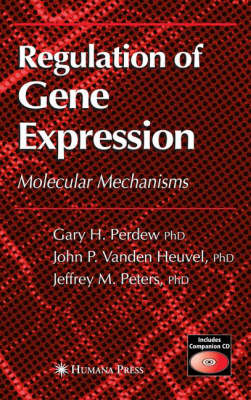
The use of molecular biology and biochemistry to study the regulation of gene expression has become a major feature of research in the biological sciences. Many excellent books and reviews exist that examine the experimental methodology employed in specific areas of molecular biology and regulation of gene expression. However, we have noticed a lack of books, especially textbooks, that provide an overview of the rationale and general experimental approaches used to examine chemically or disease-mediated alterations in gene expression in mammalian systems. For example, it has been difficult to find appropriate texts that examine specific experimental goals, such as proving that an increased level of mRNA for a given gene is attributable to an increase in transcription rates. Regulation of Gene Expression: Molecular Mechanisms is intended to serve as either a textbook for graduate students or as a basic reference for laboratory personnel. Indeed, we are using this book to teach a graduate-level class at The Pennsylvania State University. For more details about this class, please visit http://moltox. cas. psu. edu and select “Courses. ” The goal for our work is to provide an overview of the various methods and approaches to characterize possible mechanisms of gene regulation. Further, we have attempted to provide a framework for students to develop an understanding of how to determine the various mechanisms that lead to altered activity of a specific protein within a cell.
Back cover:
Regulation of Gene Expression: Molecular Mechanisms presents a comprehensive overview of methods and approaches for characterizing mechanisms of gene regulation. The text is appropriate both as a graduate textbook and a standard laboratory reference and provides the essential groundwork for an advanced understanding of the various mechanisms that may result in altered activity of a specific cell protein.
Each of three sections explores mechanisms of gene regulation and expression, and presents methods and protocols for achieving specific experimental goals. Part I focuses on approaches for studying control of mRNA expression and determining target genes for a given transcription copy. Part II outlines the methods for determining how proteins can regulate each other by mediating synthesis, degradation, protein-protein interactions, and posttranslational modification. Part III explores how gene targeting techniques in mice can provide insight into protein function. This volume provides a clear, concise overview of the protocols and techniques used to examine chemically or disease-mediated alterations in gene expression in mammalian systems.
Contents:
Part I. Gene Expression Control at the mRNA Level
John P. Vanden Heuvel
Chapter 1. Overview
Chapter 2. Messenger RNA Accumulation
Chapter 3. Transcript Profiling
Chapter 4. Transcriptional Regulation of Gene Expression
Chapter 5. Posttranscriptional Processing of Messenger RNA
Study Questions
References
Part II. Regulation of Protein Levels and Transcription Factor Function
Gary H. Perdew
Chapter 1. Overview
Chapter 2. Protein Synthesis and Turnover
Chapter 3. Proteomics
Chapter 4. Determination of Protein-Protein Interactions and the Motifs That Mediate Them
Chapter 5. Posttranslational Modifications
Chapter 6. Dissection of Signaling Pathways
Study Questions
References
Part III. Use of Transgenic and Knockout Mice to Study Gene Regulation
Jeffrey M. Peters
Chapter 1. Overview
Chapter 2. Production of Transgenic Animals
Chapter 3. Knockout Animals
Chapter 4. Isolation of Cells and Cell Lines From Transgenic and Knockout Animals
Study Questions
References
Index
PRODUCT DETAILS
Publisher: Springer (Humana Press)
Publication date: September, 2006
Pages: 344
Weight: 673g
Availability: Not available (reason unspecified)
Subcategories: Biochemistry, Genetics, Pharmacology
Publisher recommends
CUSTOMER REVIEWS
From the reviews:
"The book is aimed at graduate students, filling a gap between more general text books … and laboratory manuals (e.g. the Current Protocols series). … Helpful notes and key references are given in the margins throughout the text. … overall ‘Regulation of Gene Expression: Molecular Mechanisms’ would certainly be of use to life sciences undergraduates, it would also be a useful reference work for a Molecular Toxicology laboratory." (James Sidaway, British Toxicology Society Newsletter, Summer, 2007)