
(To see other currencies, click on price)
MORE ABOUT THIS BOOK
Main description:
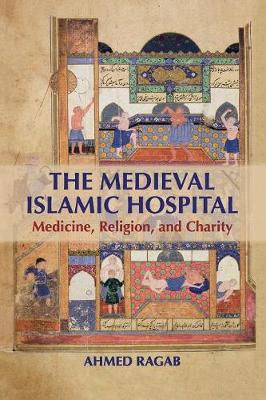
The first monograph on the history of Islamic hospitals, this volume focuses on the under-examined Egyptian and Levantine institutions of the twelfth to fourteenth centuries. By the twelfth century, hospitals serving the sick and the poor could be found in nearly every Islamic city. Ahmed Ragab traces the varying origins and development of these institutions, locating them in their urban environments and linking them to charity networks and patrons' political projects. Following the paths of patients inside hospital wards, he investigates who they were and what kinds of experiences they had. The Medieval Islamic Hospital explores the medical networks surrounding early hospitals and sheds light on the particular brand of practice-oriented medicine they helped to develop. Providing a detailed picture of the effect of religion on medieval medicine, it will be essential reading for those interested in history of medicine, history of Islamic sciences, or history of the Mediterranean.
Contents:
Introduction; Prologue: a tale of two bimaristans; Part I. Building a Bimaristan: 1. From Jerusalem to Damascus: the monumental bimaristans of the Levant; 2. Reclaiming the past: the (new) bimaristans of Egypt; 3. 'The best of deeds': medical patronage in Mamluk Egypt; Part II. Physicians and Patients: 4. Theory and practice: the reign of the bimaristan physicians; 5. 'A house for king and slave': the patients of the bimaristan; Conclusion; Annex: who built the first Islamic hospital?
PRODUCT DETAILS
Publisher: Cambridge University Press
Publication date: April, 2018
Pages: 281
Dimensions: 152.00 x 230.00 x 20.00
Weight: 430g
Availability: Available
Subcategories: General Issues, General Practice