
(To see other currencies, click on price)
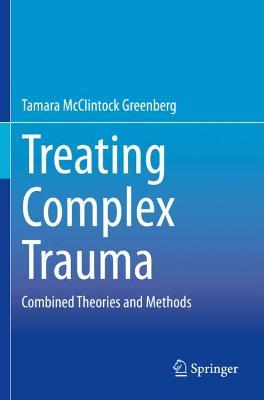
MORE ABOUT THIS BOOK
Main description:
This forward-thinking volume outlines several approaches to therapeutic treatment for individuals who have experienced complex childhood and adult trauma, providing a novel framework for helping patients with a number of challenging symptoms, with clinical hypothesis testing and solid therapeutic relationships as a vital foundation. Responding to the intense disagreement and competition among clinicians championing their own approaches, the book identifies the strengths and limitations of multiple therapeutic approaches, addressing the need for qualified clinicians to be versed in multiple theories and techniques in order to alleviate suffering in their clients.
Among the topics discussed:
How to choose specific therapeutic methods and when to shift techniques
The neurobiology of trauma and management of fear
Cultural and ethnic considerations in trauma treatment
Addressing avoidance and creating a safe therapeutic environment
Management of dissociation, substance abuse, and anger
Treating Complex Trauma: Combined Theories and Methods serves as a practical guide for clinicians looking to expand their knowledge of approaches for treating complex trauma. It aims to provide clinicians with options for different therapeutic methods, along with the necessary context for them to select the most effective approach in their treatments.
"For the first time in the professional literature we are finally afforded a clear, cogent, and detailed explication of complex trauma and the multifaceted parameters of treatment. Dr. Tamara McClintock Greenberg provides perspicacious insight and clinical wisdom only a seasoned career therapist can yield. Offering sophisticated and nuanced distinctions between complex trauma and PTSD, she shows how treatment is necessarily contextual and tailored to the unique clinical and personality dynamics of the sufferer that is thoroughly client specific within the therapeutic dyad. She dispenses with simplistic and supercilious attitudes that embarrassingly boast a uniform or manualized treatment to trauma, instead carefully taking into consideration polysymptomatic, neurobiological, and socialcultural differences that inform the interpersonal, emotional, and safety milieu from the beginning of treatment to stabilization, the working-through process, and then onto successful recovery. This is a must-read book for those in training and senior clinicians alike."
--Jon Mills, PsyD, PhD, ABPP, Faculty, Postgraduate Programs in Psychoanalysis & Psychotherapy, Adelphi University, NY; author of Treating Attachment Pathology
"Dr. Greenberg has written an invaluable book on treating complex trauma. She delves into multiple approaches, assessing what techniques the client can tolerate at a given therapeutic stage. She covers how to maintain consistency and connection through a flexible approach and avoid pitfalls. This is a must read for clinicians wishing to treat clients with complex PTSD."
--Louann Brizendine, MD, Clinical Professor UCSF; author of The Female Brain
Contents:
Chapter One
The Need for Utilizing Multiple Approaches for Complex PTSD: No Theory Has It All
Introduction: Complex Clients Need Multiple Approaches
What is Trauma and Who Gets to Define It?
Difficulties in the Study of Complex Trauma
PTSD vs. cPTSD: Important Distinctions
Therapeutic Efficacy and the Therapeutic Alliance
Multiple Treatments, Equal Efficacy
Commonalities Among All Approaches
The Therapy Relationship and Clinical Hypothesis Testing
Negotiating the Beginning of Therapy
Conclusion
References
Chapter Two: How Trauma Stokes Fear: Considerations in Beginning of Therapy
The Neurobiology of Trauma
Evidence for Intergenerational Trauma Effects
Fear: Known, Unknown, and Acted Out
Clinical Hypothesis Testing and Introducing the Concept of Fear
The Unhelpful Link between cPTSD and Personality Disorders
How Trauma Can Lead to Incorrect Diagnoses
Assessing Character Style
Managing Fear in the Beginning of Therapy
Conclusion
Initial Goals in the Beginning of Therapy for People with cPTSD
References
Chapter Three: Nurturing the Therapeutic Alliance: Mentalizing and Emotional Safety
Characteristics of Therapists Who Have Good Outcomes
-The Effective Therapist Has Sophisticated Interpersonal Skills
-The Effective Therapist Has an Ability to Explain A Client's Distress and Takes the Client's Unique Experience into Account
- The Effective Therapist Is Persuasive About Treatment Ideas And Monitors Progress in An Authentic Way
- The Effective Therapist Can Deal with Difficult Material While Communicating Hope and Optimism
- The Effective Therapist Is Keenly Aware of Their Own Psychology
- The Effective Therapist Stays Aware of Relevant Research and Strives to Continually Improve
Trust and the Mentalizing Therapist
Normalizing and Managing Shame
Creating Safety Though Respecting Avoidance
How Much Should We Encourage the Processing of Memories?
Conclusion
Interventions for Mentalizing and Maintaining Emotional Safety
References
Chapter Four: The Therapeutic Alliance and Maintaining Physical Safety
Trauma, Suicidal Ideation and Deaths of Despair
The Alarming Epidemic of Suicide
Avoidance and Therapist Feelings About Suicidal Clients
Risk Factors for Suicide
The Trauma of a Suicidal Crisis
Clinical Management of Suicidality
Crisis Response Plans
Conclusion
Interventions for Managing Suicidality
References
Chapter Five: Dissociation: Controversies and Clinical Strategies
Normal vs. Trauma Related Dissociation
Assessing Excessive Dissociation
Controversies Regarding Dissociation: TM vs. SCM
A Combined Model of Dissociation?
Dissociation of Trauma in the Mental Health Field
Treating Dissociative Disorders
Conclusion
Interventions for Working with Dissociative Clients
References
Chapter Six: The Need to Numb: Substance Abuse and Therapeutic Management
Substance Use Problems: Evolving Social Perceptions and Reality
The Increase in Problematic Substance Use
Links Between Trauma and Substance Use
Combined Vulnerability: Psychological and Biological Models
Assessing Substance Use
Treatment Approaches for cPTSD and Substance Use
Treatment Approaches Specifically for Substance Use
Conclusion
Interventions for Helping People with Excessive Substance Use
References
Chapter Seven: When Trauma is in the Body: Managing Physical Concerns
Effects of Trauma on the Body
Links Between Childhood Adversity and Physical Illness
Proposed Mechanisms Explaining the Trauma Illness Connection
Relationships and the Buffer Against Illness
Research on the Decrease of Physical Symptoms in Therapy
Treating People Who are Somatically Focused
Conclusion
Interventions for Helping People who Are Physically Focused
References
Chapter Eight: When Fight Impulses Dominate: Managing Anger
Anger and Clinical Avoidance
Links Between Aggression and Trauma
Anger as a Result of Feeling Over-Responsible
Mind, Body and Brain: The Neuropsychology of Anger
Anger And Problems Regarding Ideas of Transference
When the Therapist is the Focus of Anger
Treating Anger and Aggression
Conclusion
Interventions for Treating Angry and Aggressive Clients
References
Chapter Nine: Sociocultural Consideration in Trauma Treatment
Culture and the Culture of Avoidance: Thinking about Differences Between Therapist and Client
Trauma, Microaggressions and Race and Class
Trauma, Microaggressions and LGBT Persons
Stereotypes and Stereotype Threats
Talking about Differences
Conclusion
References
Chapter Ten: Vicarious Trauma and Self Care for the Trauma Therapist
Compassion Fatigue and the Impact of Vicarious Trauma
Too Much Empathy? The Risk of Burnout and Potential Consequences
Therapist Vulnerabilities
Countertransference and the Importance of Therapist's Emotions
Over-Responsibility and the Trappings of the Super Therapist
Therapist Self-Care
Conclusion
Self-Care Interventions
References
PRODUCT DETAILS
Publisher: Springer (Springer Nature Switzerland AG)
Publication date: August, 2021
Pages: 215
Weight: 361g
Availability: Available
Subcategories: Accident & Emergency Medicine, Psychotherapy, Public Health